
Rangakarmee Premieres Contemporary Hindi Play Ram Ki Ladai in Kolkata

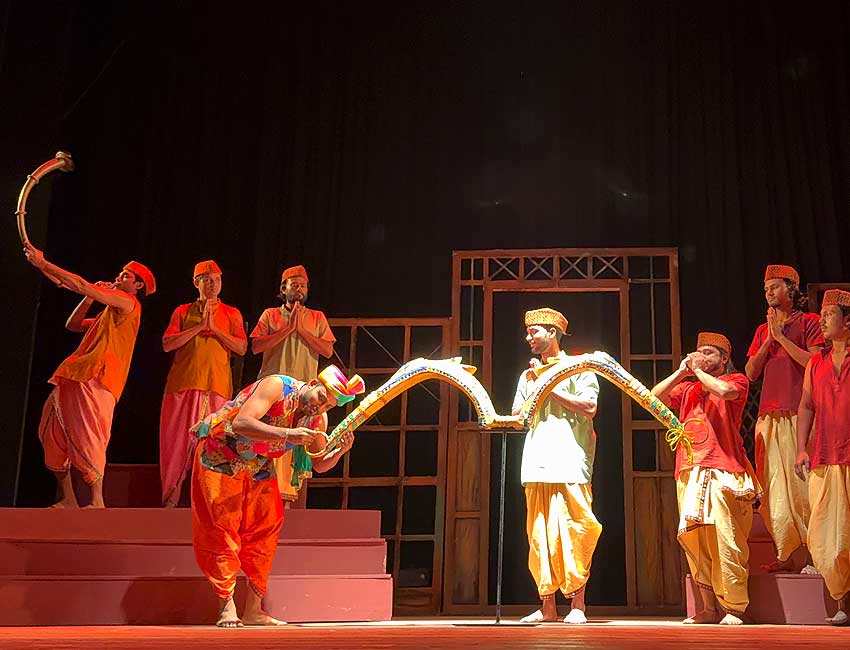

Rangakarmee premiered its new Hindi play, Ram Ki Ladai, at Kolkata’s Tapan Theatre. Directed by Aniruddh Sarkar, this music-driven production uses sharp satire and rich storytelling to explore whether timeless moral ideals can survive in modern society.
The renowned theatre troupe “Rangakarmee” recently staged the premiere of its new Hindi play, Ram Ki Ladai, at Kolkata’s Tapan Theatre. Written by Lakshminarayan Lal, the production is a powerful, music-driven experience that looks far beyond the familiar narrative of the Ramayana.
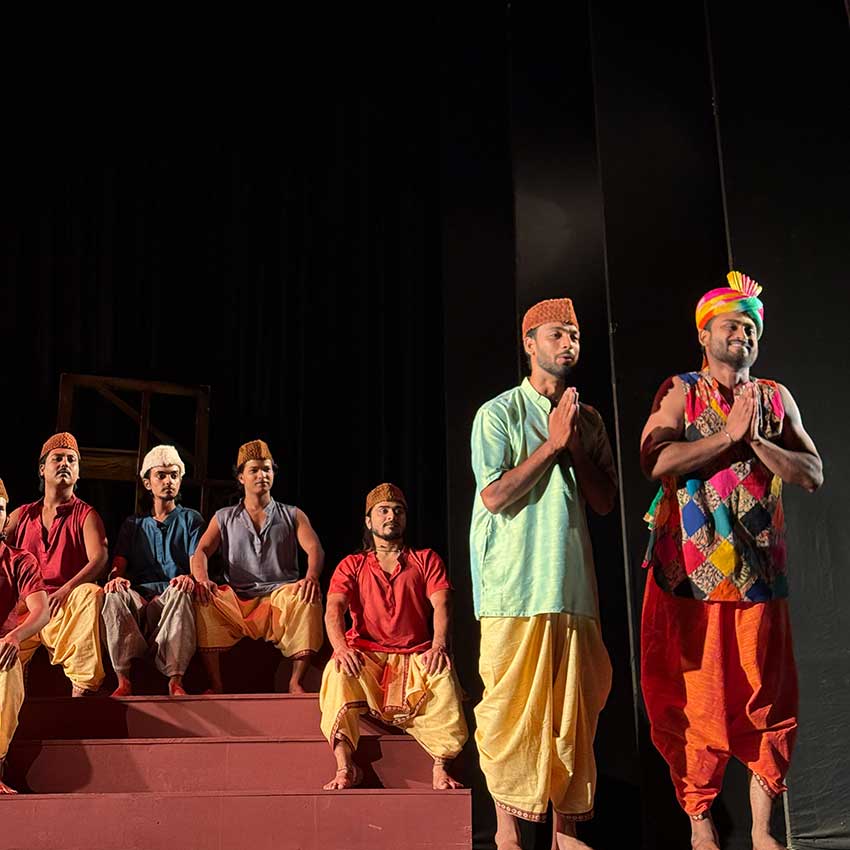
The story centers on Ramgulam, an ordinary man chosen to portray Lord Ram. As rehearsals move forward, the line between performance and reality begins to blur. Ramgulam’s struggle transforms from a mythological role into a battle reflective of contemporary society.
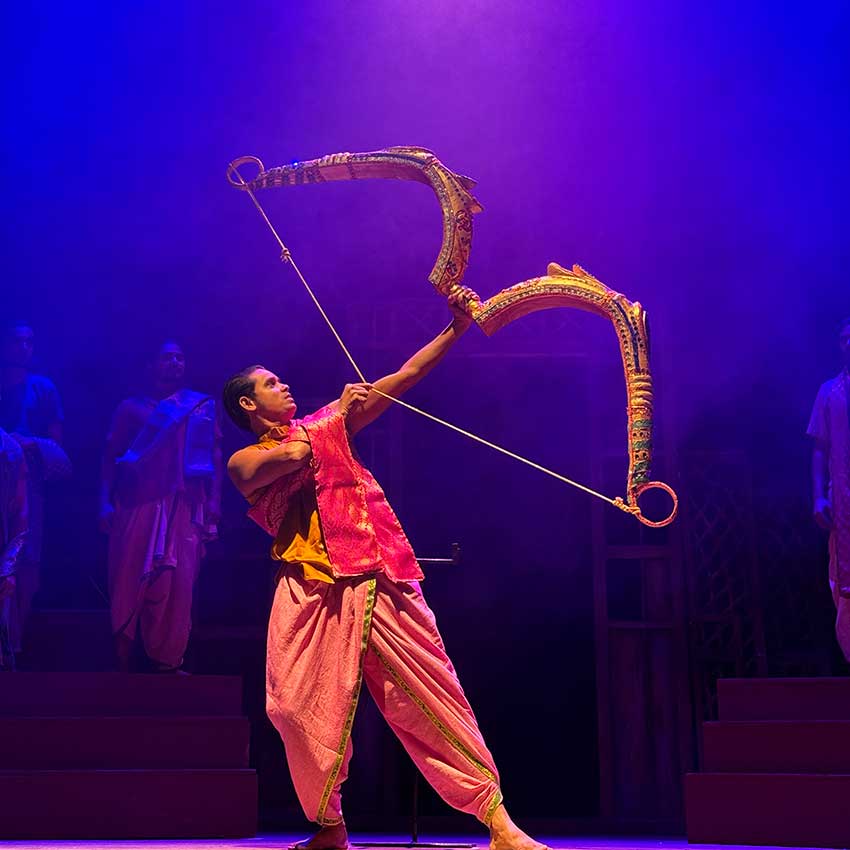
Through sharp satire, humor, poignant music, deep emotion, and potent symbolism, Ram Ki Ladai exposes the moral dilemmas, inequalities, and contradictions of modern life. It ultimately poses a compelling question for the audience: can the ideals of Ram truly survive in today’s world?
A Bold Contemporary Experience
Rich in theatrical excellence and timeless themes, the production is designed to entertain while prompting deep introspection. It leaves viewers carrying its lingering questions long after leaving the theatre.

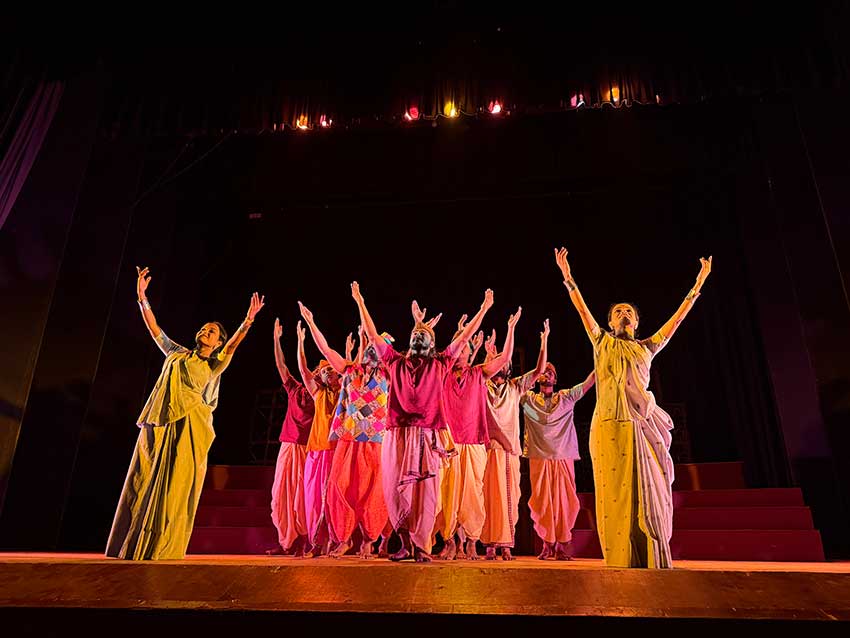
The production is enriched by Aniruddh Sarkar’s vision for direction, set design, and music, alongside the impressive performances of the entire cast. Standout performances feature Deepesh Rajak as Ramgulam, Manoseej Biswas as Kalu, Megha Guha Roy as Bimala, Bintes Pandey as Sarju Baba, Prahalad Kumar as Ramai Kaka, and Ankit Chaudhuri as Neta.
Carrying Forward a Legacy
Reflecting on the troupe’s mission, director Anirudh Sarkar shared, “We as a team always try to carry our rich legacy that late Usha Ganguly started more than fifty years ago. We love to deal with subjects that are relevant in today’s world. Plays with a strong message to our society and allow our audience to think about it.”