Threads of Faith: Inside the Weaving Village of Maniabandha







Maniabandha Odisha Ikat weaving represents a rich, centuries-old textile tradition where art meets master craftsmanship. In this piece, author Anshul Akhoury explores the intricate tie-dye techniques, vivid cultural history, and timeless elegance that define Maniabandha’s iconic handloom legacy.
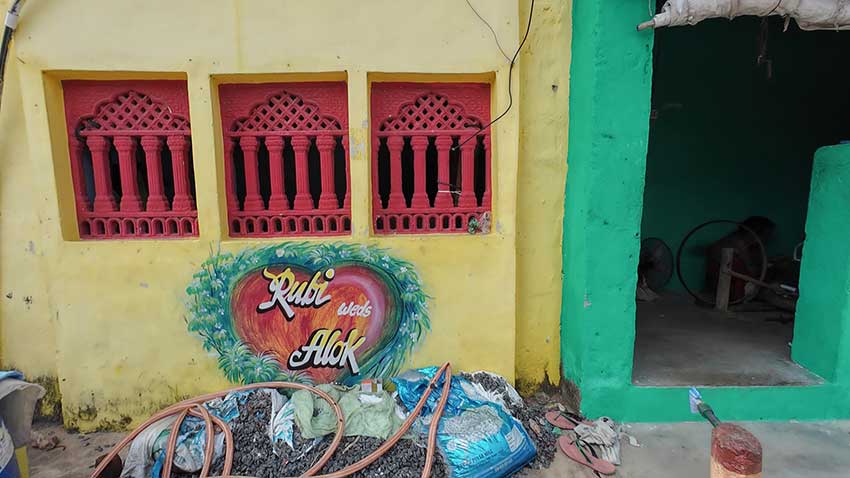
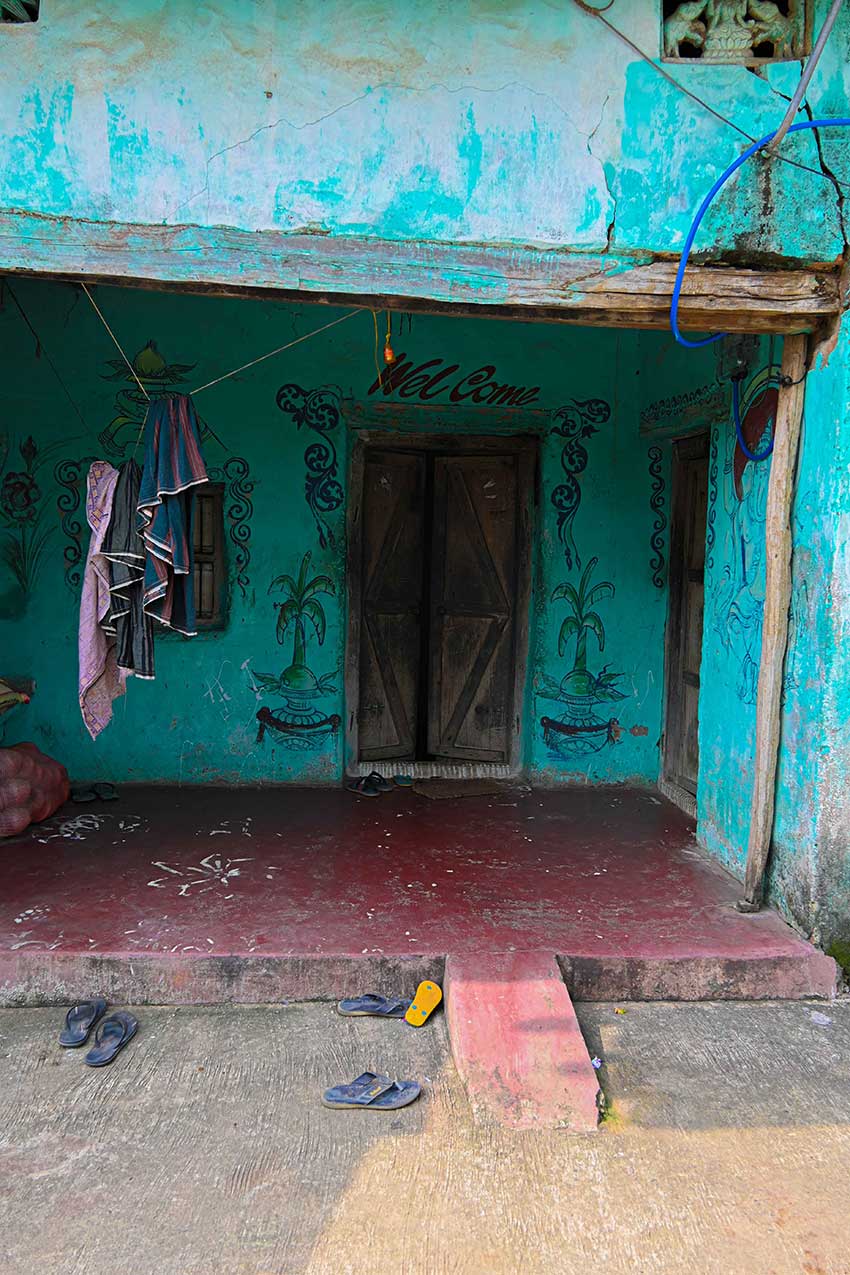
Walking through Maniabandha, a quiet village in Odisha’s Cuttack district, you will notice wedding announcements painted on the walls of homes, marking newly married couples. Walk a little further and another appears, then another. These walls quietly tell the story of a village and its everyday life.
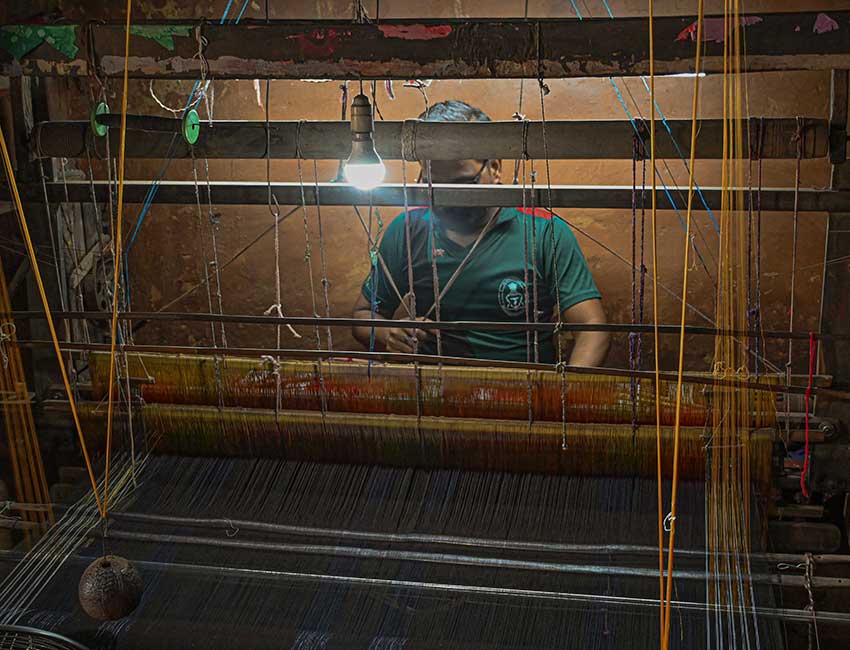
I hear a rhythmic sound from outside a house. The sound is common, but this one was kind of inviting. I walked in. This house belonged to Sushant Kumar Behera, who has been weaving for 20 to 22 years. He learnt the craft from his father, who himself wove for 17 years. Like many homes in Maniabandha, the loom here is part of everyday family life.

Maniabandha is home to a large community of weavers, including both Buddhist and Hindu families. The village’s Buddhist heritage goes back centuries. Historical accounts trace the presence of Buddhism in Odisha to the first millennium BCE, while local narratives say Buddhist weaver families migrated to the region from Bardhaman in West Bengal in the 16th century. They found refuge under the then Badamba king and were allowed to settle in Maniabandha and practise their weaving.

Today, weaving is still the core occupation of the village. Almost every household is involved in some part of the process, from dyeing and drying yarn to tying the loom, creating designs and weaving the final sari. Women and men work together and this art is a family occupation passed from one generation to the next.

One of the most distinctive craft here is Odisha Ikat. To design this, the yarn is tied and dyed before it reaches the loom. The pattern has to be imagined in reverse, with every knot and colour carefully positioned so that the design emerges only when the threads are woven together. A sari can take around seven to eight days to complete.

Maniabandha’s weaving is also connected with the Jagannath Puri Temple. According to local accounts, the village’s reputation grew through its connection with the 12th-century Odia poet Jayadeva, whose Gita Govinda was presented to Lord Jagannath wrapped in silk woven using the tie-and-dye technique. Today, verses from Gita Govinda continue to be woven into Khandua textiles, including the special red Khandua associated with Lord Jagannath. Khandua cloth is also used to decorate the chariots during Rath Yatra.
Maniabandha today exists at the confluence of these traditions. Buddhist and Hindu weavers live alongside one another and create textiles carrying both Buddhist and Jagannath motifs. The loom becomes a place where faith, family and craft come together, with knowledge passed from one generation to the next.

In Maniabandha, a sari carries the work of an entire family. More than a handloom tradition, weaving is how the village connects with its history, faith and identity.
As I leave Sushant’s house the wedding announcements catch my eye again. I realise they’re not so different from the saris being woven a few doors down. Both are ways this village records itself. Long after the Badamba kings and even the temple rituals that shaped it, Maniabandha exists simply because someone, somewhere in the village, is always at the loom.
What's Your Reaction?