
Tapoban: Where Faith Keeps the Ramayana Alive



In this photo essay, Dr. Rwitam Jana explores Tapoban, a quiet woodland at the confluence of West Bengal, Odisha, and Jharkhand. Here, enduring faith keeps the Ramayana alive through sacred traditions linked to Sita, Valmiki, and Lav-Kush.
In India, some consider the Ramayana an epic, some consider it history, while many live with a different certainty — the faith that has grown from the story across generations.
At the corner of rural Bengal, near the meeting point of West Bengal, Odisha and Jharkhand, lies a quiet forested place called Tapoban. Tapoban is linked to Rishi Valmiki and his ashram according to local tradition. The location is also related with Sita and her sons, Lav and Kusha. People have come here with their own interpretations of these tales for generations, bringing with them a faith that has endured regardless of whether the events can be proven to be historical facts.
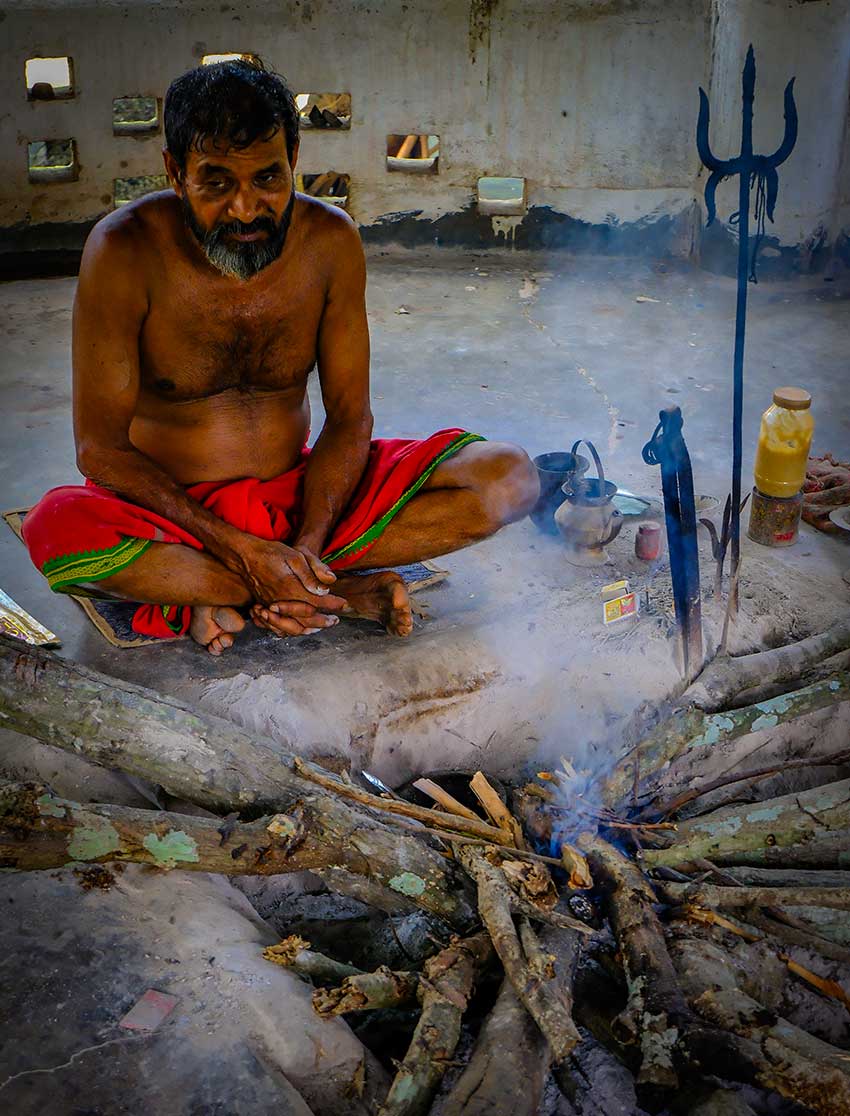
A priest resumes his everyday routines. Devotees offer prayers. The woodland surrounds the shrine and almost becomes part of the plot. It’s fascinating to see an ancient cultural tale endure in such an ordinary and isolated environment.
For centuries, the Ramayana has migrated across India, undergoing changes in languages, communities, performances, and traditions. At Tapoban, it has established itself in a specific environment. The story of Rama, Sita, Valmiki, and Lav-Kusha has become an integral part of the small woodland settlement’s identity.
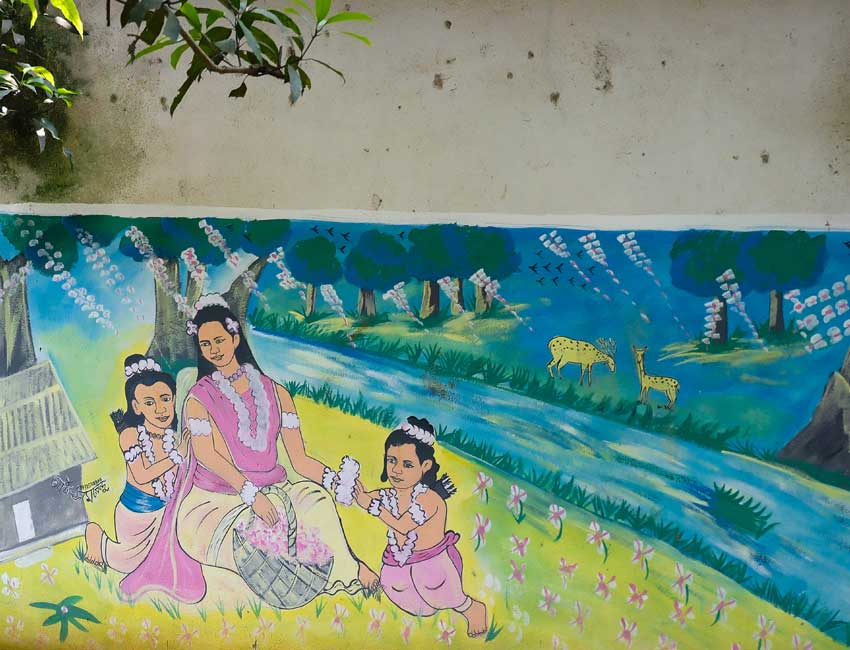
Outsiders may find it difficult to distinguish between history, mythology, and belief. However, that differentiation is not the most essential factor here. What important is that people continue to believe.

They worship Sita Ma. They remember Valmiki. They think that this is the birth place of Lav and Kush. They protect and care for the sacred spaces associated with his ashram. They pass the stories to the next generation.

In a rapidly changing rural landscape, Tapoban offers a glimpse of something remarkably persistent — not necessarily the physical world of the Ramayana, but the faith that has kept its memory alive.

Tapoban, traditionally associated with the ancient forest of Dandakaranya.
The forest of exile and endurance: Tapoban, revered in local lore as part of the ancient Dandakaranya landscape.
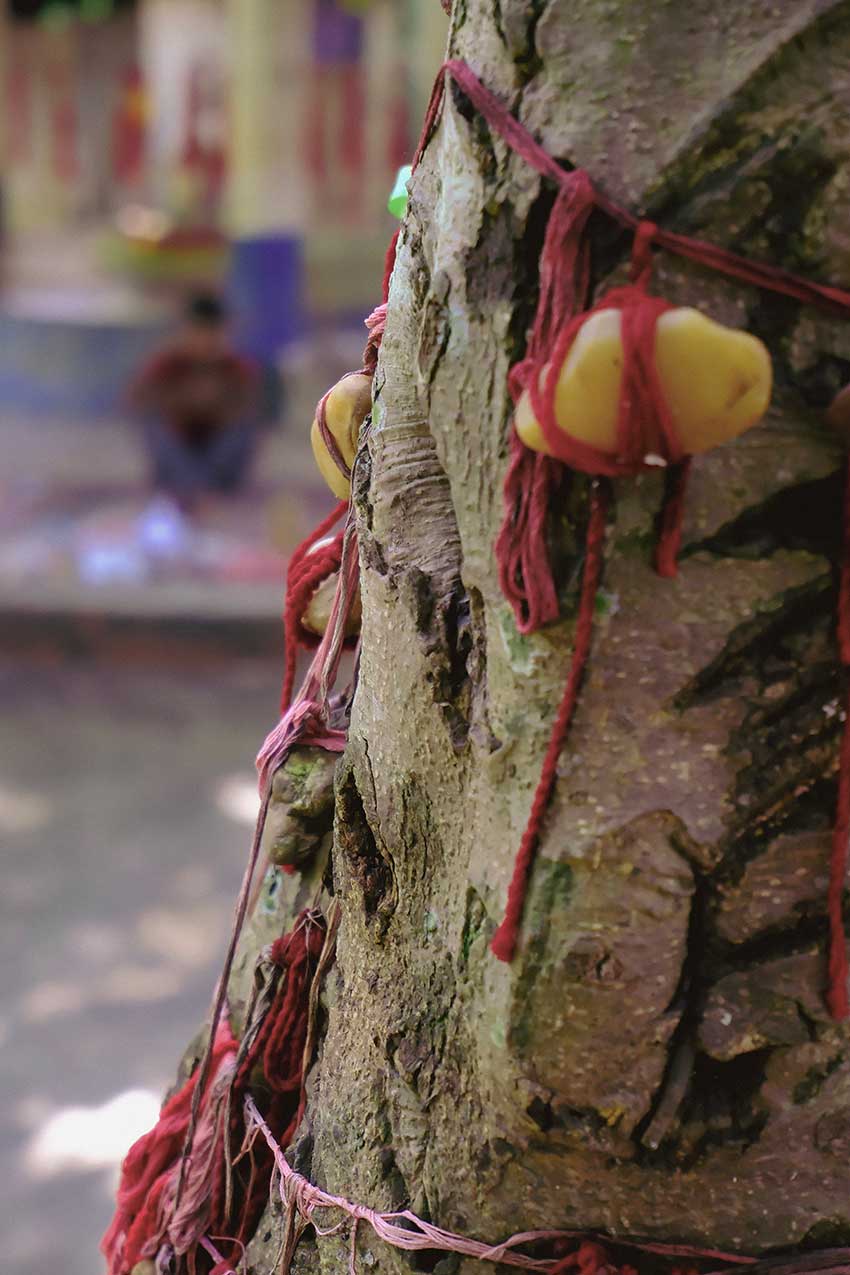
Tapoban---Faith-today

Sita Dhuni, the sacred fireplace site at Tapoban.
The sacred flame of devotion: Sita Dhuni at Tapoban, where quiet rituals keep centuries of Ramayana lore alive.

Valmiki Muni Ashram at Tapoban.
In the footsteps of the sage: The serene precincts of Valmiki Muni Ashram, preserved in the heart of Tapoban.
What's Your Reaction?
