
Bantul The Great: Bengal’s Original Superman

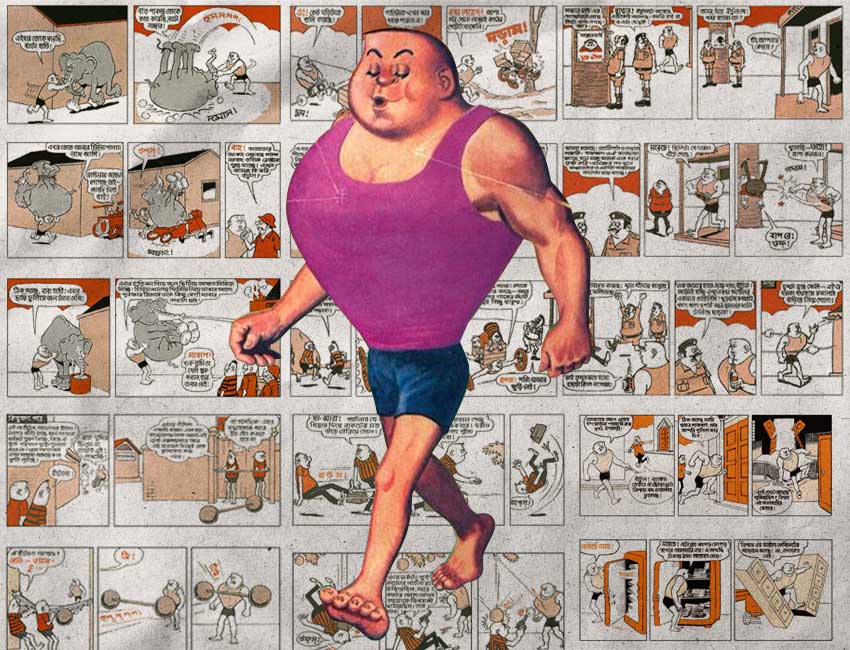

Forget the caped crusaders you know; it’s time to meet Bantul The Great! This iconic Bengali superhero, born from the brilliant mind of Narayan Debnath, brought unparalleled strength and humor to generations of readers.
Sure, the new Superman movie is fantastic, and my son and I had a blast watching it! But let’s talk about Bengal’s original Superman: Bantul The Great.
From the groovy ’70s all the way through the ’90s, Bantul wasn’t just a character; he was practically a family member in every Bengali household. This iconic, muscle-bound marvel was the brainchild of the legendary illustrator and comic book artist Narayan Debnath, and honestly, his charm aged better than fine wine – resonating with grandmas and grandkids alike!
I first encountered Bantul’s adventures in the Bengali monthly magazine, Shuktara. His two-page comic strip typically kicked off each issue, though the cover often featured Goyenda Koushik or Bahadur Beral.
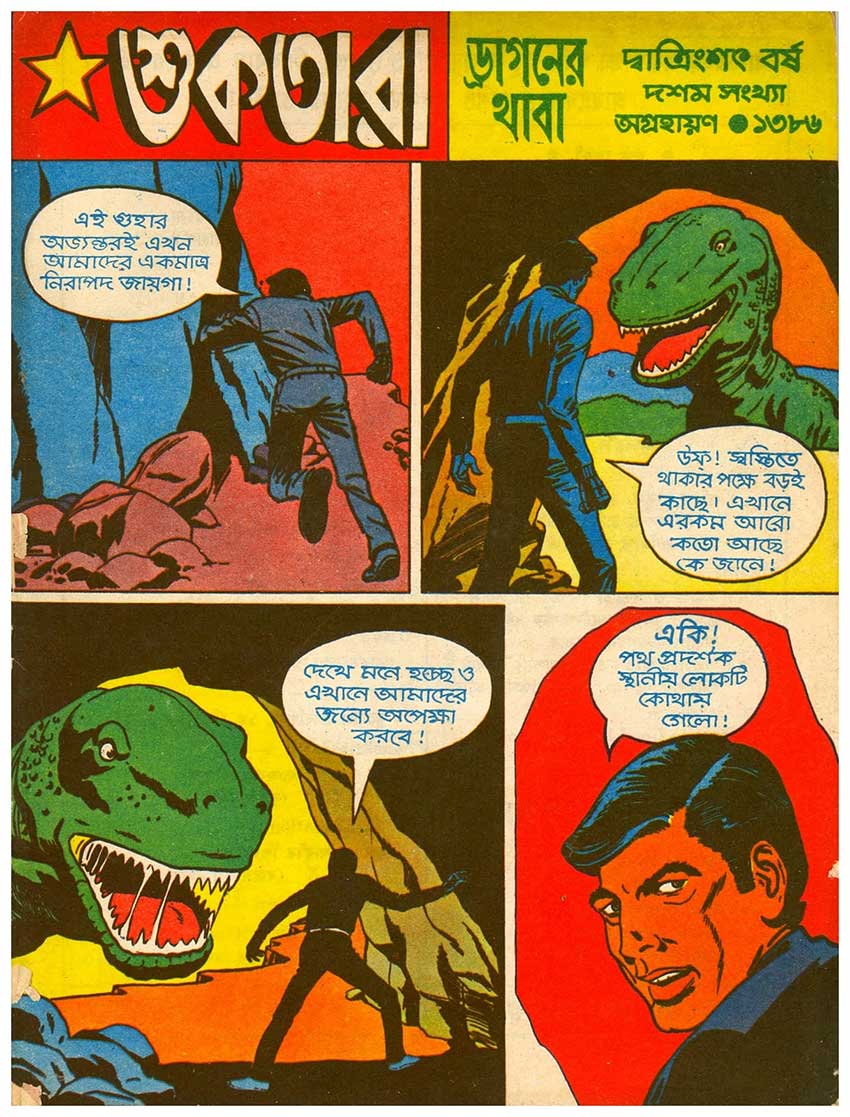
I still vividly remember my Baba (dad) reading Bantul to me when I was just a little sprout, too young to decipher Bengali script. I’d just gaze at the panels, completely captivated, as his voice brought the adventures to life. Then, one magical day, he surprised me with a complete Bantul comic book – a treasure trove of stories compiled from those very Shuktara issues. Talk about perfect timing! By some stroke of pure luck, I’d already unlocked the secrets of reading and writing Bengali by then. It was like the universe knew I needed to read Bantul’s feats for myself!
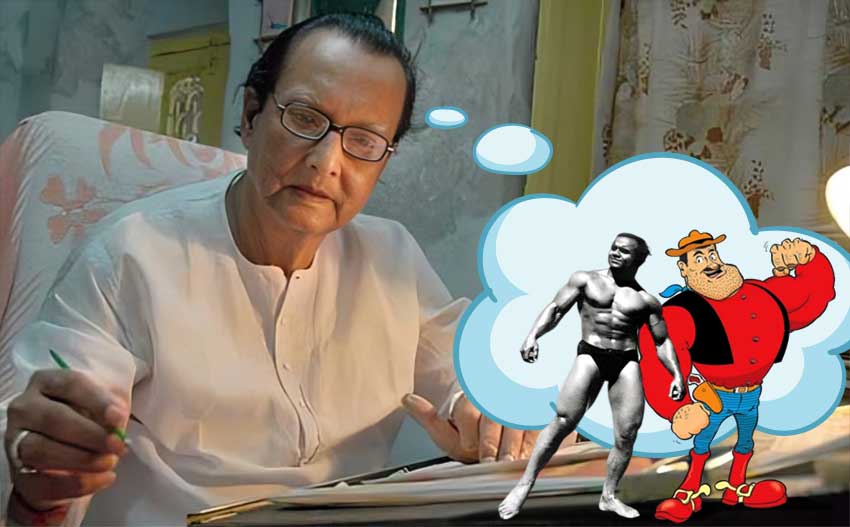
I read Narayan Debnath created Bantul in 1964, reportedly influenced by his friend, the renowned Bengali bodybuilder Manohar Aich. The name and the protagonist’s design came to him quickly. Initially, Debnath didn’t envision a long-term future or superpowers for Bantul. Some say the character bears similarities to Desperate Dan. Shuktara wisely started publishing these gems in 1965, a fact conveniently brought to us by the ever-reliable Wikipedia.
While Narayan Debnath’s “Handa Bhonda” made him a hit, “Bantul” was the real heavyweight! This iconic character, with a chest so broad it probably needed its own postcode and strength that would make actual gods jealous, basically fulfilled every Bengali man’s deepest, most muscle-bound fantasies.
So, Debnath cooked up Bantul with a whopping 6 feet and tipped the scales at 500 kilos. Forget your average gym bro – Bantul was so ridiculously strong, he could probably bench-press the entire Earth if he felt like it! Walls? Mere suggestions. He’d just run right through them, leaving a perfectly shaped Bantul-sized hole.
And if you thought missiles were a problem, think again. They’d just bounce right off his chest like a rubber ball, probably making a silly “boing!” sound (I’ll talk about these silly sounds some other day). As for marine life, he’d wrestle whales and sharks barehanded for fun–probably as a pre-breakfast workout.
Speaking of breakfast, Bantul was a true Bengali at heart, with an appetite to match his superhuman physique. A whale for breakfast was just a light snack, often accompanied by a casual 12-ostrich-egg omelette. Forget your cereal; Bantul was operating on a whole different level of morning munchies!
Bantul, fresh off his debut, jumped straight into the 1971 Indo-Pak war! “The editor of Shuktara wanted Bantul to go and fight the Pak enemies and help Bangladesh,” Debnath once said in an interview. Debnath was initially hesitant, fretting over potential legal trouble. But once assured, he unleashed Bantul as a full-fledged superhero.
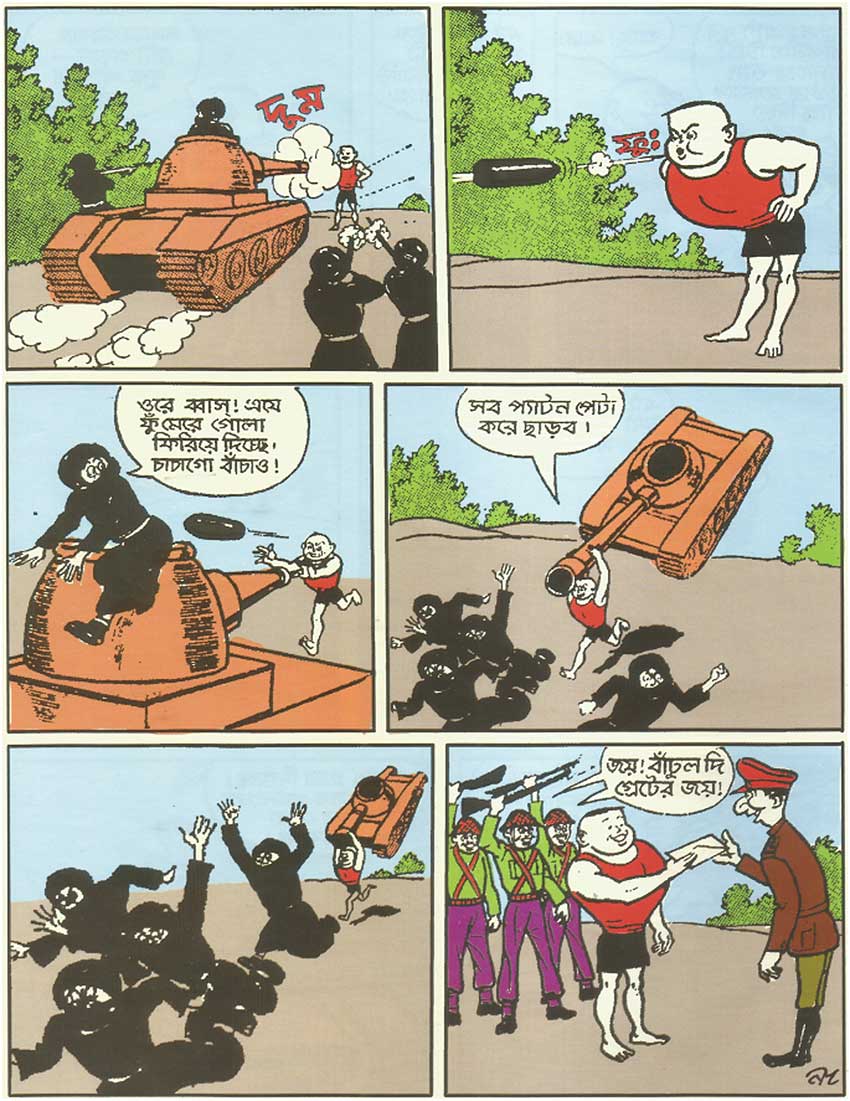
And what a superhero he was! Bantul was depicted lifting tanks and spinning them over his head before flinging them back at the enemy. He even changed the trajectory of cannon shells with a mere puff of his breath. Talk about a secret weapon!
Given that Debnath conjured up Bantul during a sweltering summer, it’s perhaps no surprise he decided to dress his muscle-bound hero in a rather fetching pink-colored vest and shorts so impossibly tight, they probably required a team of engineers to get on. Fashion-forward, indeed.
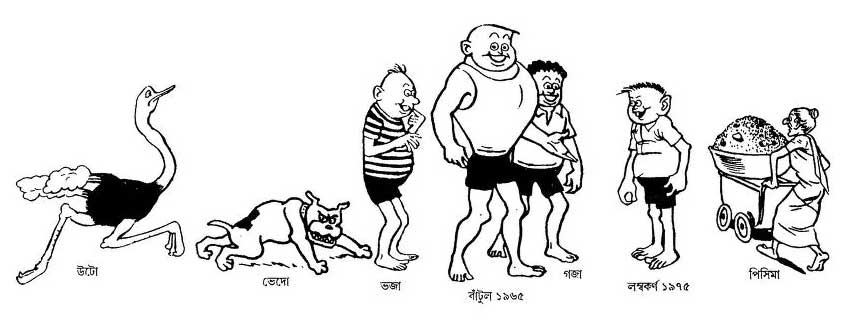
Debnath wasn’t just a one-man show; he also brought in a colorful cast of side characters to accompany Bantul. There were his somewhat “goonish” nephews, Bhawja and Gawja, who often tagged along on his adventures. Occasionally, Debnath would introduce others, like Lawmbokawrno, a boy with super-powered hearing, Bantul’s trusty pet ostrich, Uto, his loyal dog, Bhedo, and of course, his good old Pishi (auntie).

The legend away on January 18, 2022, at the age of 96, leaving a void in the hearts of comic book lovers. Before his passing, Debnath battled age-related neurological and respiratory issues.
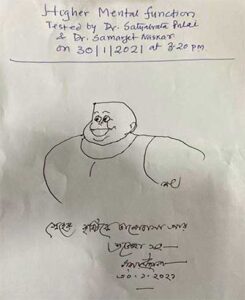
Interestingly, to assess his mental faculties, his doctors devised a unique test: they asked him to recreate one of his iconic characters. This, they believed, would help ascertain his “Higher Mental Function.”
And Debnath, ever the master, did not disappoint. Handed a pen and paper, he meticulously reproduced an exact drawing of his perpetually smiling superhero, ‘Bantul the Great.’ He even added a message and signed it in his impeccable handwriting, a truly remarkable feat for someone aged 96!
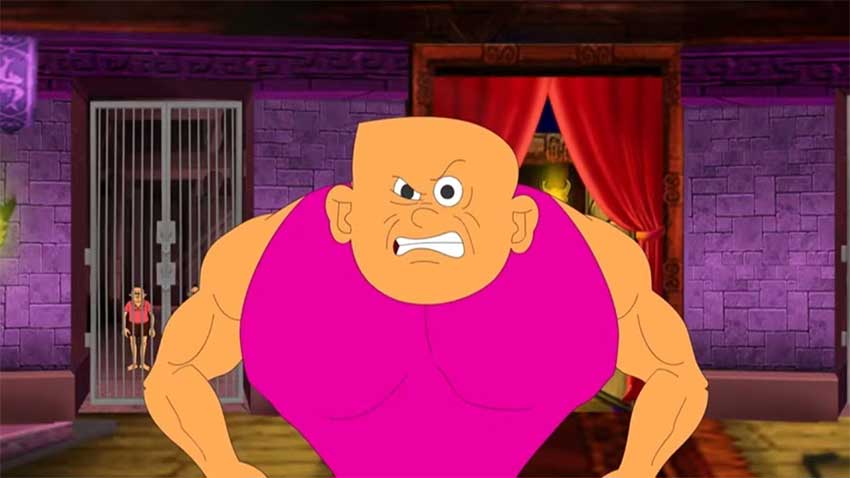
Bantul’s fame exploded, catapulting him from the humble comic panels straight onto the television screen in an Indian animated series. Produced by Arijit Bhadra of Animatrix Multimedia in Kolkata, this show actually managed to snag a considerable following in Bengal.
Now, if you’re asking for my honest opinion, the animated adaptation of Bantul was, to put it mildly, a visual travesty. Seriously, it felt like they took Debnath’s vibrant, dynamic artwork and ran it through a filter labeled “How to take a masterpiece and turn it into something that looks like it was run over by a truck, scanned on a potato, and then photo-morphed by a toddler.” The artwork genuinely fell short, leaving me wondering if the animators had ever even glanced at the original comics. Sure, the series found an audience—probably out of sheer, unwavering loyalty to Bantul himself—but the animation quality and dialogue delivery often made me wince. Let’s just say, the Bengali animation industry, at that point, seemed to be operating on a “prehistoric” level, with significant ground still to cover. Perhaps they needed Bantul to punch a few more walls to shake things up a bit!
With American comic book heroes absolutely dominating the big screen, I’ve often wished some visionary Bengali filmmaker would pay a proper tribute to Debnath and Bantul by bringing him to cinema. But then I remember that animated version, and frankly, it’s probably better if Bantul just stays safe within the comic pages. Let the American Superman fly around on the big screens; our very own Bengali Superman is perfectly content, and much safer, right where he is in the printed world.
What's Your Reaction?
