
Teen Chakar Golpo – Hazra Park Durgotsab



Explore the 81st anniversary celebration of Hazra Park Durgotsab in South Kolkata, featuring the unique theme ‘Teen Chakar Golpo’ honoring autorickshaw drivers. Learn about its historical significance and commitment to inclusivity.
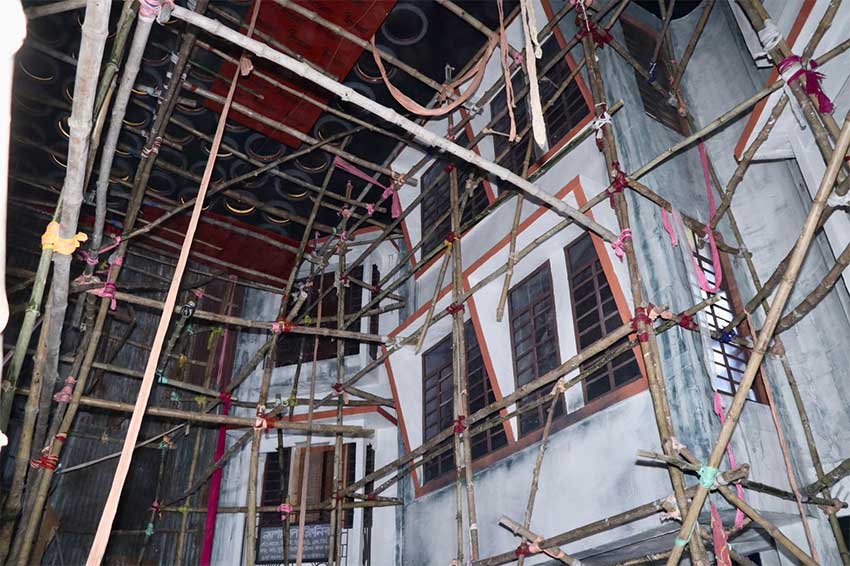
Every year, Hazra Park Durgotsab, a renowned Durga Puja celebration in South Kolkata, never fails to surprise its audience with innovative themes and meaningful messages. This year, as Hazra Park Durgotsab marks its 81st anniversary, it has introduced a captivating theme titled ‘Teen Chakar Golpo,’ which translates to the ‘Tale of 3 Wheels.’ Located at Hazra crossing, inside Jatin Das Park, this Puja has not only brought a unique theme but also honored the unsung heroes of Kolkata’s streets – autorickshaw drivers.
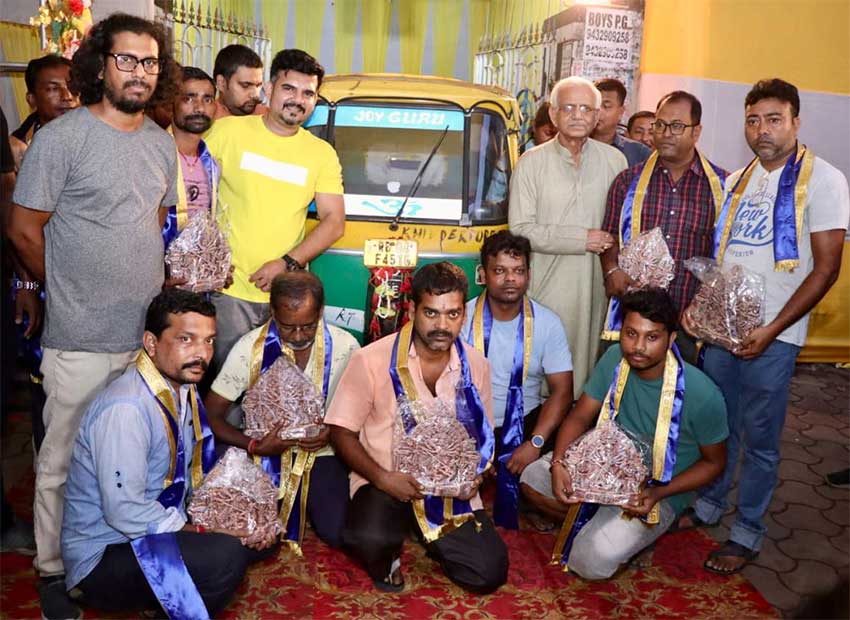
The theme launch event was a grand affair, attended by various eminent personalities, including Sri. Sovandeb Chattopadhyay, the Minister of Agriculture for the Government of West Bengal, and Sri. Sayan Deb Chatterjee, Joint Secretary of Hazra Park Durgotsab Committee, among others.
Speaking to the media, Sri. Sayan Deb Chatterjee, the Joint Secretary of Hazra Park Durgotsab Committee, highlighted the fast-paced and ever-evolving nature of Kolkata, often referred to as the “City of Joy.” He emphasized how autorickshaw drivers play multiple roles in their lives, from being parents and spouses to sons and, most importantly, the chauffeurs of three-wheeled autorickshaws. These drivers work tirelessly day and night, earning meager incomes, yet managing to bring happiness to their families. Chatterjee added that, despite their hardships, these drivers dare to dream of earning more someday.
This year’s theme, ‘Teen Chakar Golpo,’ is a tribute to these dedicated drivers who navigate the city’s streets and alleys, defying harsh weather conditions, to transport passengers from one place to another. Their commitment to their job is unwavering, and during the festive season, they will be celebrated with immense love and support from the Hazra Park Durgotsav committee.
Hazra Park Durgotsab holds a special place in Kolkata’s cultural landscape. It began in 1942 with support from the Calcutta Municipal Corporation under the guidance of the then Mayor Sri C.R. Das and CEO Sri Subhas Chandra Bose. At that time, Durga Puja was primarily held in palaces or houses of noble and high-caste families, with people from lower castes not even allowed to enter these Pujas or make offerings to the Goddess.
The emergence of family Pujas evolving into “Barowaari” or community ones was a significant step forward, but the journey toward becoming “Sarbojanin” or secular was long. In those days, the caste system considered the Harijans/Mahtars (sweeper caste) as unclean, as they were responsible for cleaning open pit latrines and the city’s sewage system, and they were restricted from entering Puja Pandals.

Hazra Park Durgotsab, which shifted to Hazra Park in 1945, played a pivotal role in changing this narrative. It was one of the first Pujas to open its doors to the common masses, underprivileged, backward classes, and Harijans. This tradition continues today, with around 1000 Harijans being personally served Bhog and Prasad by the committee members during the Puja. This act symbolizes respect for the generations of individuals who have kept the city clean and underscores the powerful message that every person, regardless of their birth, is equal and should be treated as such.
Hazra Park Durgotsab’s journey from its inception to its present-day celebration reflects not only the evolution of Kolkata’s cultural ethos but also its commitment to inclusivity and equality. This year’s theme, ‘Teen Chakar Golpo,’ serves as a reminder of the dedication and resilience of autorickshaw drivers while celebrating the essence of community and unity that the Puja embodies. Hazra Park Durgotsab continues to be a shining example of how festivals can inspire positive change and bridge social divides in a diverse and vibrant city like Kolkata.