Do You Know How Lucky You Are: Rani Neutill’s Memoir Review

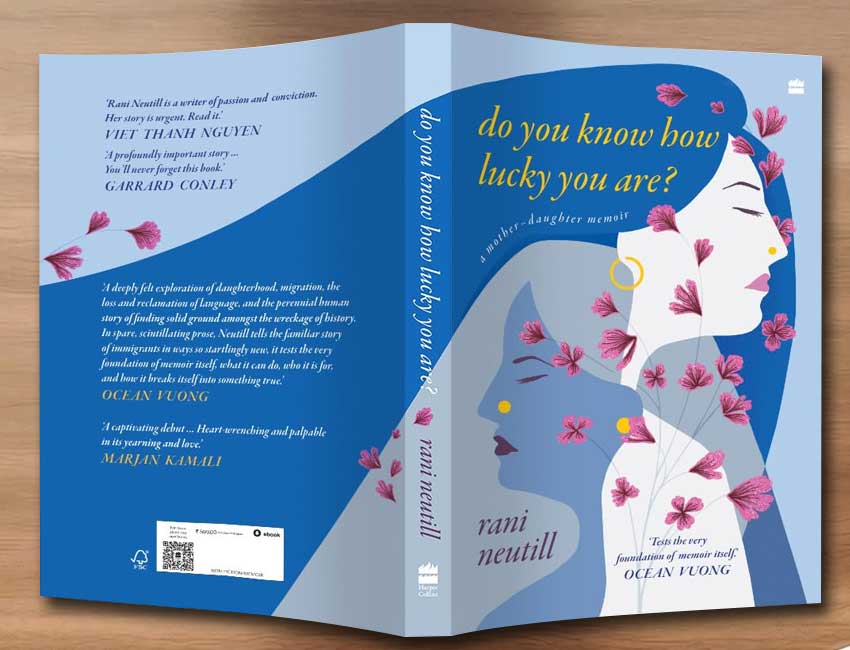

In this Rani Neutill’s Memoir Review, Radhika Raheja explores the haunting complexities of motherhood and intergenerational trauma within the raw, evocative pages of Do you know how lucky you are?
There are some stories that strum that one chord your fingers usually avoid. Motherhood is one of the most complex emotions one can feel. It encapsulates you in the glory of your own maternal element and still terrifies you of the inner perfections that genes carry.
Rani Neutill’s book is one such story about the absolute and naked truths of the weight that transfers from a mother to a daughter. In the book Rani discovers her mother as a person who is bound by her culture-driven ethos of finding a husband as a lifetime guarantee of support and stability. The author’s inter-racial existence often changes backdrop between Kolkata and California. In both the places where the author spends her formative years, she experiences her mother’s incapability to provide emotional valency.
The inadequacy of mental prowess in a mother that a child requires for a healthy upbringing lays the foundation of Rani’s struggle to find lucidity in her own life. As a teenage girl in America who begins encountering sexual urges and attraction towards others, Rani’s vivid recollection of her mother’s discernment towards female sexuality and the impact of her impressions of sacredness towards the subject begins building a sort of curiosity in the author.
As a mother coming from the post colonial era of Independent but still amused India, Rani observes the pattern of liking whiteness in skin and character as an heirloom being passed on from her grandmother to her daughters and then on to Rani. The idea of encapsulating a man’s fancy through physical beauty outlines the mother’s own battle with understanding femininity and the power and struggles it brought in both America and India.
As a woman of color trying to parent a young child alone in America, Rani notes how her mother alters her name and styling choices to become acceptable in the white-ruled western world. The idea of a deceased father who can only be remotely known through some recorded audio tapes becomes the growing child’s underpin the mother finds beyond her emotional capacity to tolerate.
Edging towards the American concept of sexual awakening the author is conceived errant by the mother and shipped off to Kolkata during teenage years to help transform her into a well respected lady academic. The love-hate relationship between the mother and daughter is also seen through the lens of generational mental illness affecting offsprings. Aunts who are mentally unstable and incapable of surviving on their own and a grandmother who resents her own children for having taken away the strength of her body and youth through several childbirths contours the inadequacy of adults in making proper decisions for their children.
Back in America to finish high school, Rani finds comfort in social judgement of her mother’s decision of sending her to a developing country in order to stabilize and civilize her in conduct. One aspect of human mind that exists across the book is the insecurity of a woman who is desperate to find a secure and peaceful existence for her daughter and herself.
In episodes of criminal activity existing in California residential areas at night and the utter panic and submission in astrology and godmen, Rani finds her mother despairing. Rani’s own personal and professional struggles along side the wild sexual encounters while living in America keep her on the edge questioning her own mental tussle. Her discovery of therapy and the joy of being understood and findings answers about her own being throws light on her patrimony in Psychology.

Years of study, teaching and research, all that Rani believed to be the stairway to success proving not being the key to climb up leaves the author in wonder and disbelief. In her mother’s remarriage to another white man who pines for a family brings the soft element of fatherly affection in Rani’s life yet breaking the notion of masculine robustness that had been engraved in her mind.
In Rani’s decision of not procreating even after finding a loving husband out of her fear of passing on the inheritance of mental illnesses is profound and dismal in itself. Towards the winter of her parent’s lives Rani’s brawl in courtrooms against her own mother to be able to look after her as a caretaker is characteristic of a daughter’s forgiveness towards her mother who is a constant disappointment throughout life.
With her passing, Rani finds herself back in Kolkata dutifully bidding goodbye to her mother who forever battled her mental instability, authority and insecurities. The final moments describe how a parent’s departure opens the wound of longing that no form of closure can truly close. In my opinion, this memoir is a raw and understated revelation that can impact the relationship between a mother a daughter struggling to find their own contiguous trajectory.
Book Details:
- Title: Do You Know How Lucky You Are?
- Author: Rani Neutill
- Publisher: HarperCollins India
- Release Date: 24 November 2025
- Format: Paperback
- Pages: 273 pages
- Price: 403 INR
- Where to buy: https://www.amazon.in/YOU-KNOW-HOW-LUCKY-MOTHER-DAUGHTER
What's Your Reaction?