
Assamese Cinema Is Thriving Again—So Why Aren’t the Stories?



Gyanam Kalita provides a incisive critique of the current state of Assamese Cinema, moving beyond systemic issues to examine narrative failures. He argues that despite a creative surge, underdeveloped screenplays and inconsistent pacing remain the primary hurdles for the industry.
The problems of the Assamese Cinema industry are neither new nor being discussed for the first time. For decades, the industry has been reeling under insufficient screening spaces, lack of audience interest, shortage of funds, government apathy and inadequate marketing and publicity. However, today is the time to revisit this discussion from a new angle, as the circumstances of filmmaking has changed drastically in the last few years.
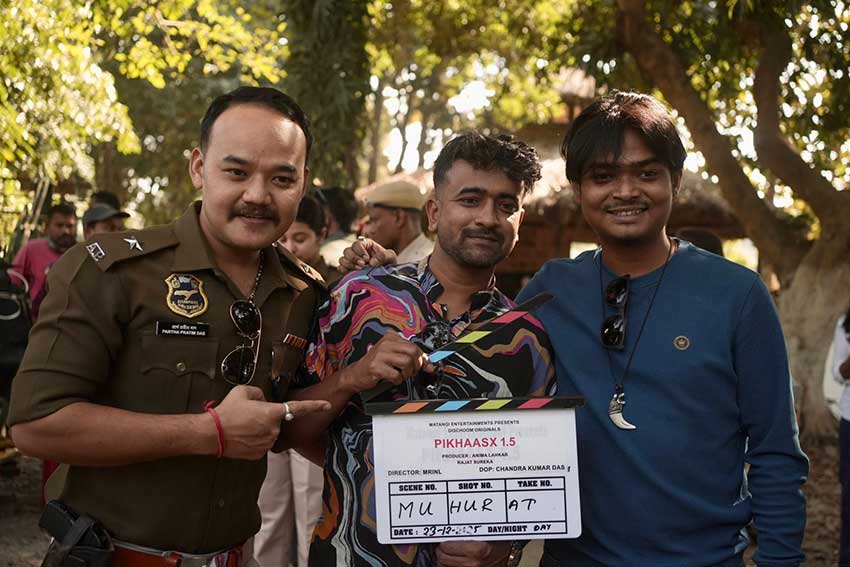
In the recent times, Assamese cinema has found renewed energy through a group of young and emerging filmmakers like Mrinmoy Saikia, Mrinal Deka, Dhanjit Das and Chinmoy Sharma among others. Their debut works have highlighted not only their strength of storytelling but also the need to experiment, to modernise and to take the industry beyond its long-standing limitations.
The Disappointing Turn
But alongside this creative surge, a disappointing pattern has quietly begun to emerge and repeat itself throughout their latest works. This trend is most visible when the budget of their productions and their ambition scales up.
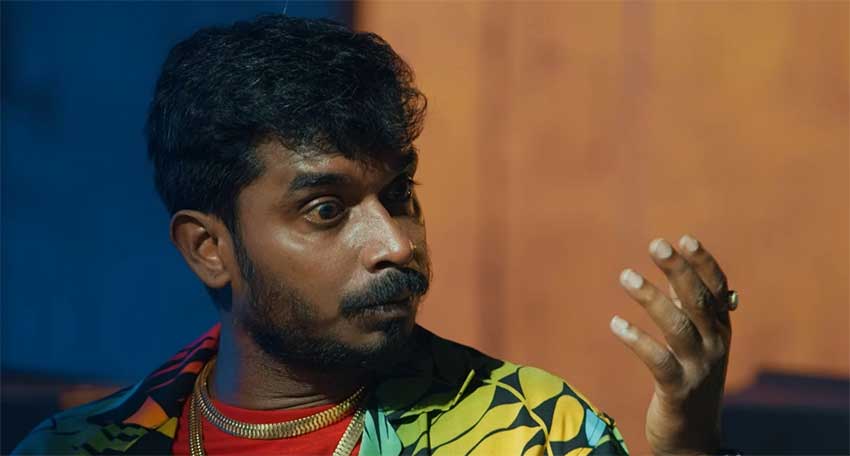
Films such as Casetu Nagen (2025), Malamal Boyyyz (2025), Agnibaan (2026) and Bhakutkut (2026) all start on solid ground. They establish characters, conflicts and tonal direction with confidence. Yet, somewhere along the way, especially towards the climax, these films begin to lose its grip over their narratives. What follows are the endings that feel hurried and sucked out of its emotional calibre. So, instead of a well deserved resolution, the audience is left with the feeling that the filmmaker simply ran out of time.
Weak Screenplays form the Core of the Problem in Assamese Cinema
At the heart of this issue lies the screenplay. In several cases, scripts appear underdeveloped—either rushed into production or written without sufficient structural rigour. Sometimes the involvement of multiple writers for a single project also becomes the problem. Moreover, it is felt that many contemporary Assamese filmmakers are not watching enough films, new films. Again, watching films new films for the sake of it is not enough; analysing their structure and impact is very essential.
Characters without consequence
Another recurring weakness is the presence of characters who add little to the story. In recent times, the performances by actors like Pranjal Saikia in Bhakutkut (2026) or Preety Kongana in Agnibaan (2026) highlight this issue. These roles are written into the narrative but they rarely influence the plot in meaningful ways. It becomes more problematic when such characters are given unnecessary backstories or extended screen time without any proper narrative payoff. The question filmmakers must ask is simple: if a character can be removed without affecting the plot, why does the character exist?
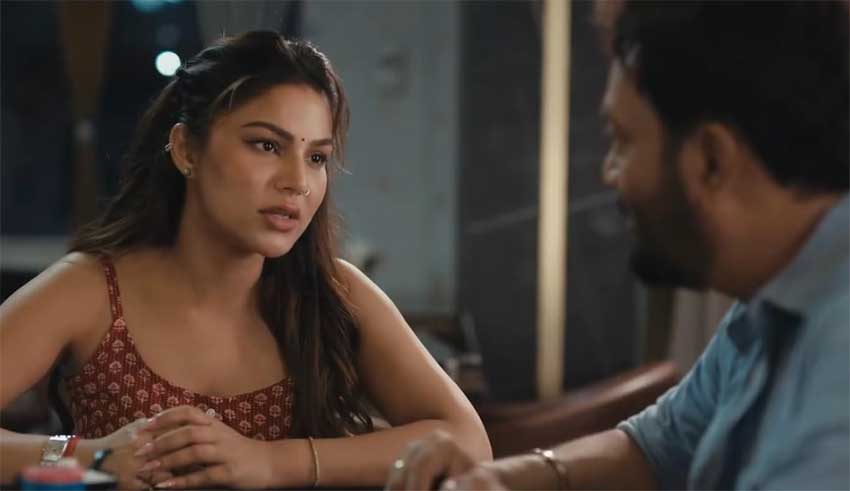
This concern also extends to the writing of female roles in the films. In Agnibaan (2026), an attempt is made to frame a female character as assertive and ‘empowered’. However, in the final output, empowerment is seen to be reduced to a few surface-level gestures like aggression and moral lectures about women rights without any deeper integration into the story.
Complexity without clarity
In recent times, many filmmakers in Assam have experimented with non-linear storytelling and parallel narratives. But sadly, everyone has failed. This is because, such storytelling devices are complex and demand precision. Without it, they collapse under their own weight. Rongatapu 1982 (2023) is a case in point. Its shifting timelines fail to establish clear cause-and-effect relationships, resulting in a narrative where events feel very disconnected from each other.
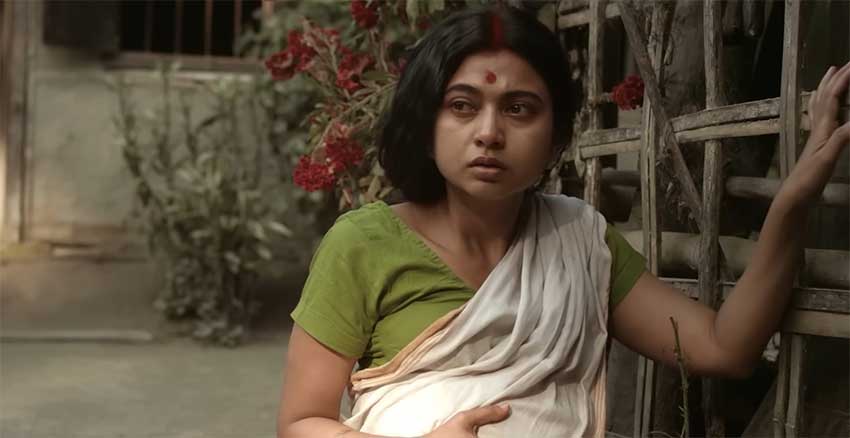
Therefore, employing such techniques require not just instincts, but good study. Screenplays that successfully handle complex structures are widely available, yet many writers seem reluctant to engage with them in depth.
The editing gap
Pacing is another area where most recent films struggle. Agnibaan (2026) and Malamal Boyyyz (2025) both suffer from excessive runtimes. Scenes linger longer than necessary whereas a tighter editing approach could have significantly improved their narrative impact. Filmmakers need to understand that efficiency is not a limitation—it is strength. A shorter, sharper film not only respects the audience’s time but also enhances repeat value and theatrical viability. The lesser the runtime is, the more shows a film can get in a theatre.
When comedy turns chaotic in Assamese Cinema Industry
Another problem is the handling of comedy in the recently released films. It has in particular, exposed the weaknesses of the filmmakers in controlling and sustaining the fun part of the story. Films like Casetu Nagen (2025) and Malamal Boyyyz (2025) descend into loud, disjointed climaxes that rely on physical gags and exaggerated performances to make the audiences laugh. But the filmmakers must understand that the days of slapstick comedy have long expired.
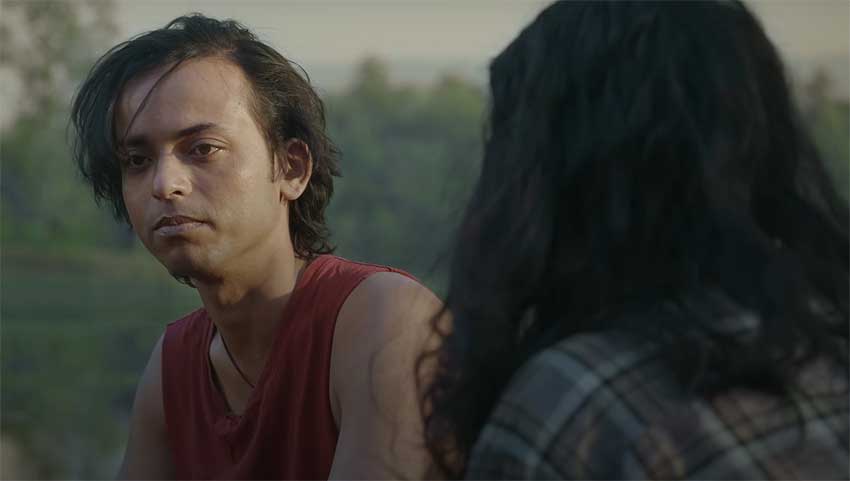
The influence of filmmakers like Priyadarshan or Anees Bazmee is evident but only superficially. What made the films of the masters’ work was not just humour, but timing, rhythm and chemistry between the characters. Without these elements, imitation simply becomes noise.

The originality deficit
Another concern is the recycling of ideas. The climax of Malamal Boyyyz (2025) echoed a solution that was already seen earlier in films like Priyaar Priyo (2017), while Agnibaan (2026) has drawn inevitable comparisons to the style of Lokesh Kanagaraj’s films.
In an era where audiences consume cinema across languages and industries, repetition is quickly recognised and rarely forgiven. The industry must move beyond its comfort zones of social comedies and romantic action-dramas. Genres like horror, detective fiction or low-budget science fiction should be explored.
Listening to criticism
Equally important is how filmmakers engage with feedback. Reviews, whether on social media, YouTube, IMDb or on other written platforms, offer valuable insights. They shouldn’t ignore them. At the same time, the reviews and reactions after the premiere of the film often present a distorted picture. Invite-only audiences and social media enthusiasm and fake praises don’t reflect true assessment of the works. What matters is the response of paying viewers and thoughtful critics.
The other side of the problem
This is not an issue limited to emerging filmmakers only. Several established directors like Hiren Bora, Chandra Mudoi and Hem Chandra Borah are increasingly being criticised for producing work that feels outdated. They must understand that their past accolades cannot compensate for present-day shortcomings. Their recent films are neither able to engage audiences nor get back the resources invested.
A turning point in Assamese Cinema Industry
Assamese cinema today stands at a crucial juncture. The industry’s challenges, when analysed, are often framed in terms of infrastructure—limited screens, funding constraints, distribution gaps. While these are valid concerns, they are only part of the picture. Sometimes, storytelling itself is the problem and hence it demands equal scrutiny.
Stronger scripts and focused editing along with a commitment to originality are not optional—they are foundational. Therefore, for the emerging filmmakers, the key takeaway is very clear: ambition must be matched by craft. Watch widely, read deeply, and refine relentlessly. Early success should encourage risk-taking, not complacency.
What's Your Reaction?

Excellent writeup on the current scenario of Assamese cinema.We have one of the best theatre reserves in the world in the form of Bhramyonan Theater.Assamese cinema can rely on stories from theatre as well.
Assamese literature is vast and rich.Most noted Assamese films were adapted from noted works in Assamese literature.There hasn’t been too many movies of late of the calibre of Bhaimon da which was a well made biopic with great music,art direction and continuity.